
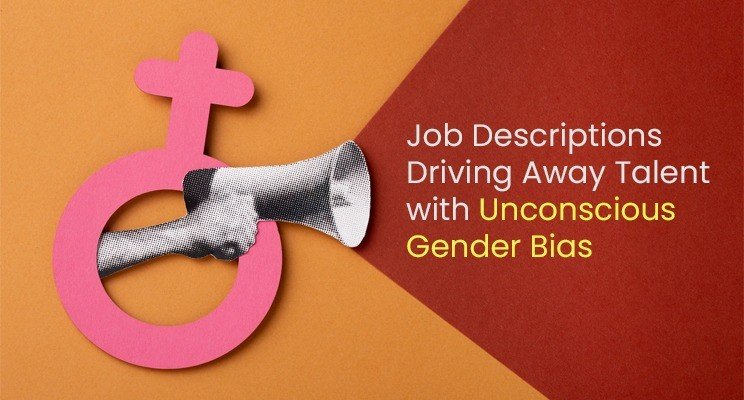
Do you think job descriptions can exhibit sexism? Can the language used to describe jobs convey unintended messages to candidates? Language is a potent tool, and even when we are mindful and careful of its power, we can still use it inappropriately.
Until recently, the business world was predominantly male-dominated, with women often finding executive suites, corner offices, and mid-to-upper-management positions out of reach.
Job descriptions sometimes ask for continuous work experience, which can make it harder for women who took breaks to raise children. This shows an unconscious bias because it assumes everyone’s career moves in a straight line, without thinking about different challenges and priorities like focusing on family at certain times and so on. If companies rethink these requirements, they can attract a wider range of talent and be more inclusive in hiring.
Research suggests that using masculine-coded language in job descriptions can discourage women from applying, affecting the diversity of applicants. This bias can be seen in metrics like continuous service or specific job requirements that may not be favorable to females.
As a hiring manager – irrespective of your gender you can do the following to improve and reduce bias in your JD’s
- Use neutral job titles and review the job description for any gendered language
- Include DEI statements
- Avoid Superlatives or Stereotypes
- Focus on Skills and Qualifications
- Test the JD for bias using tools/platforms that can identify bias
- Invite Diverse teams to provide feedback on your JD’s
It’s time for recruitment partners to rise to the occasion and help hiring managers revisit the JD finalization process.